Senolytics: How They Work and How to Use Them to Slow Down Aging
Senolytics slow aging. They also reduce inflammation. So we should definitely be using them. Learn everything about them here…

Senolytics slow aging. They also reduce inflammation. So we should definitely be using them. Learn everything about them here…
I’ve mentioned previously how inflammation causes hair loss and how important it is to prevent/reduce inflammation as you age. So I thought this would be an incredibly useful article — use this page as a guide to help you prevent/reduce inflammation as cost effectively as possible.
We know treatments like Finasteride that reduce DHT are effective at reducing hair loss, but they also have side effects. However, topical DHT blockers have far fewer side effects and are still powerful hair loss treatments. So, what are they and how can you use them?
An advanced anti-aging project funded by Jeff Bezos has successfully reversed aging by ‘reprogramming cells’ so they revert to their adolescent state. No this is not an April Fools joke. Learn about it here and stay subscribed for updates.
A very intriguing thing has been discovered about resveratrol. It decreases something called PGD2.
In a study of scalps, bald and balding scalps were found to have very high levels of PGD2.
Further research has shown that PGD2 is linked to inflammatory cytokines, which make the hair transition to the shedding phase. Reducing PGD2 can reduce hair loss by keeping the hair in the growth phase!
Since it’s also incredibly good for your health it’s a win-win. Check this out and see which supplement I personally use…
The most promising research in the world today for addressing the aging process and extending human lifespan—often referred to as “curing death”—comes from several key areas of biotechnology, genetics, and regenerative medicine. While no research can claim to “cure” death, significant advances are being made in understanding and potentially reversing the aging process. Here are […]
Senolytics are a new class of anti-aging treatments designed to target and eliminate senescent cells, which are dysfunctional cells that stop dividing but don’t die off. These “zombie cells” accumulate as we age, contributing to inflammation and tissue damage. Senolytics aim to selectively clear these cells, potentially slowing the aging process and extending healthspan.
Here’s how they work and where you can get them…
I previously explained how normal work stress increases scalp temperature and how that can cause hair loss. But now it seems there’s some exciting new research showing how ‘cold therapy’ can stimulate hair growth by activating TRPV1 and norepinephrine. It’s easy, cheap and anyone can do it from home. And it may be really good for you in other ways. Check this out…
TRPV1 (Transient Receptor Potential Vanilloid 1) is a type of ion channel found in various cells, including sensory neurons and skin cells. It is known for its role in detecting heat, inflammation, and pain. TRPV1 is activated by various stimuli, such as high temperatures, acidic conditions, and certain chemical compounds like capsaicin (the active ingredient in chili peppers).
Norepinephrine, a neurotransmitter and hormone associated with the body’s fight-or-flight response, has several indirect effects on hair growth, largely through its influence on the body’s stress response and circulation. Here’s how norepinephrine might affect hair growth:
When you think about it forehead reduction surgery is actually a really good idea. It pulls the hairline down, bringing your hairline foreward and it also lifts the face up, reducing wrinkles and lifting the face to make you look younger. Here’s how it works and what to consider…
I assumed topical Finasteride would have negligible effect when applied topically, but there are a few studies showing very promising results. Take a look at this…
To make your hair look as thick as possible, there are several techniques recommended by professional hairstylists. Here are some expert tips to help you achieve fuller-looking hair:
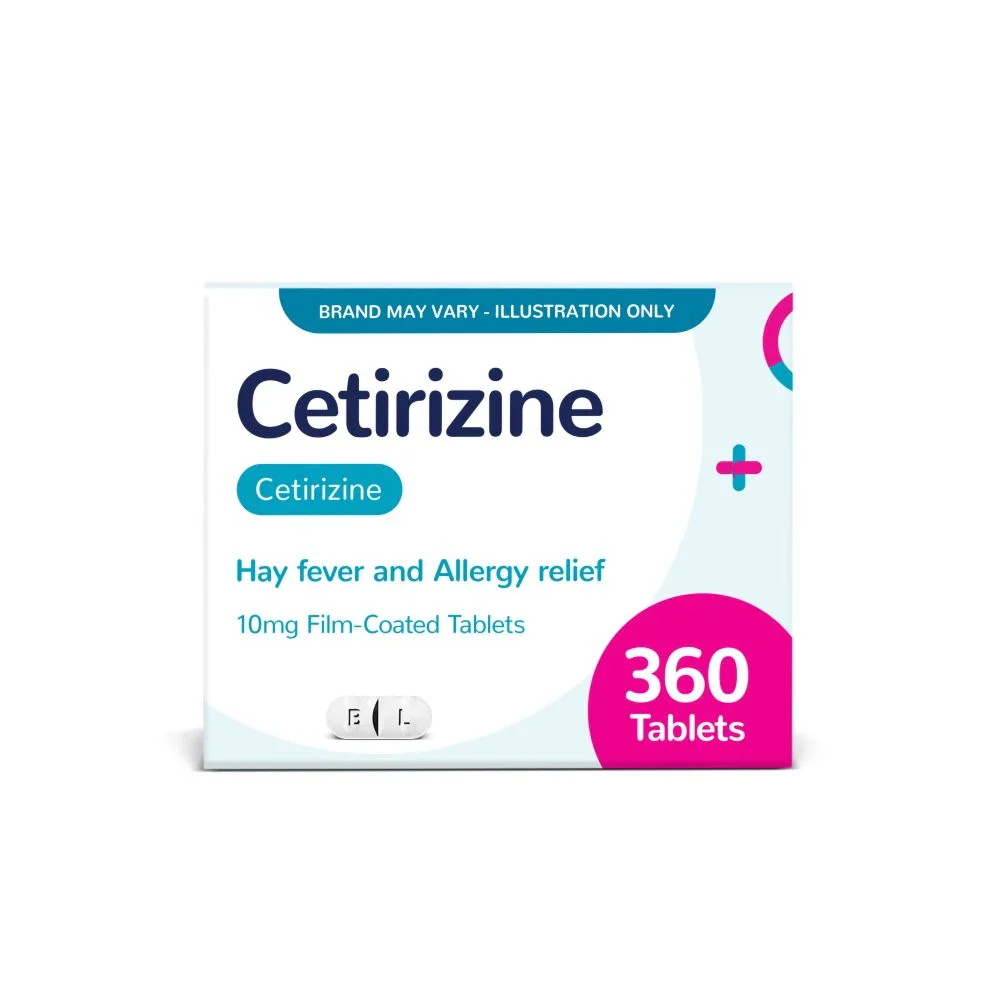
In one study, 100% of participants who were treated with antihistamines saw “major hair regrowth”. Here’s how it works and how you can use it…
How normal work stress causes hair loss and how you can prevent it…
Anthralin is an anti inflammatory cream that works by suppressing cytokines.
If you’ve ever wondered how DHT binds to androgen receptors, this article explains exactly how it works.
The chemical adenosine has been shown to lengthen the growth phase of the hair follicles. It may do this by improving blood circulation in the scalp, enabling a greater supply of nutrients to flow to the hair.
Wnt signaling pathways enable communication between cells. In the hair follicles they effectively ‘tell’ hair follicles to start growing or stop growing.
It’s actually possible to manipulate the Wnt-signalling pathways in hair follicles to make hair grow thicker. Here’s how to do it…
It is possible to grow completely new hair follicles in your scalp. It’s called ‘hair follicle neogenesis’ and it’s been achieved in several studies. This article will explain how it’s been done and how you can do it at home…
Have you ever seen a picture of Michael Stipe with hair? No? Nor has anyone else in the world. Well, you’re lin luck . Here are 5 incredible pics of Mr Stipe before he lost his hair.
Preventing DHT from binding with scalp hair follicles is actually the key to preventing male hair loss. Here’s why, and how to do it…
Testosterone is converted to Dihydrotestosterone (DHT) — a more potent anabolic hormone. DHT binds to receptors in the scalp hair follicles causing hair loss. But what is the reason testosterone is converted to DHT?
Keeping your hair in the growth (anagen) phase is the key to having thick, long, healthy hair and preventing hair loss. And it’s actually easy to do. Here’s how…
If you were to lose 100 hairs every day without new hairs growing to replace them you would lose all your hair in less than 3 years!
That sounds shocking I know, but let’s now understand that statement..
Alopecia is a general term for hair loss or baldness, and it can occur for various reasons. Here are some common causes of alopecia:
Scalp inflammation has been shown to cause hair loss. Here’s what you can do to reduce it…
Luteolin is a flavonoid found in many plants, which can reduce hair loss by reducing scalp PGD2. It’s another interesting example of an anti-allergy treatment, which translates well as a hair loss treatment.
Flutamide is an androgen receptor blocker. It binds to androgen receptors in cells and as a result it blocks androgen hormones like testosterone and DHT from binding, therefore preventing the negative effects of androgen binding — such as prostate cancer and hair loss.
By blocking androgen receptors in the hair follicles we can prevent the effects of DHT and therefore prevent male pattern hair loss. Here’s how….
Chlorine is a strong chemical disinfectant commonly used in swimming pools to kill bacteria and other microorganisms. While its disinfectant properties are important for maintaining clean and safe pool water, prolonged exposure to chlorinated water can have negative effects on hair.